
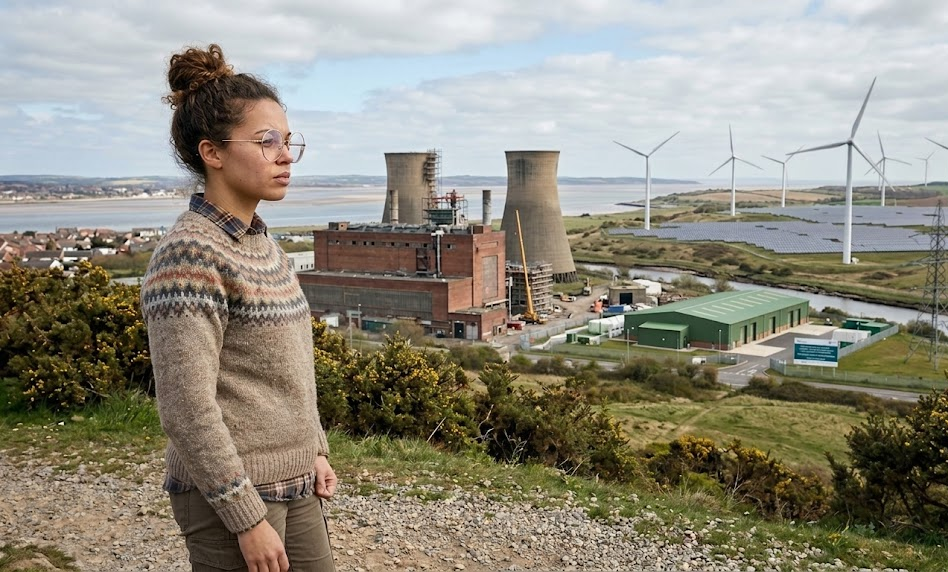
The smell of steel and fossil fuels once defined numerous areas in the UK. Towns built around refineries, coal terminals, and heavy industry shaped their identity, offered jobs, and drove the economy. This world is changing, and change is not always easy.
Investments in renewable energy are shifting billions of pounds away from traditional power locations to coastal ports, estuaries, and rural areas. These regions, which were not designed to be important economic centers, are now becoming crucial to the British economy.
To succeed, property developers, local authorities, and business owners need to track this shift. Adapting to this new environment is essential for long-term growth.
At Advent Communications, we focus on delivering B2B news on UK business growth, real estate, and regional investment.
Why Regions Are Being Repositioned
Several economic and structural factors are key to the reshaping of the UK’s industrial locations.
Old Industrial Hubs Becoming Green Clusters
The Humber region is the UK’s largest carbon-emitting industrial area, releasing more CO2 than any other region. Instead of being ignored, it’s being transformed into a green energy hub.
The Zero Carbon Humber partnership, including Equinor, Drax, National Grid Ventures, and British Steel, aims to make the Humber the world’s first net-zero industrial cluster by 2040. This plan focuses on producing hydrogen, capturing and storing carbon, and even creating a shared pipeline network for local industrial sites.
Regarding clear output, the Viking CCS project plans to capture up to 15 million tonnes of CO2 each year by 2035. It could bring in up to £7 billion in investment and create over 10,000 jobs during construction. This region already adds £18 billion to the UK economy every year. Decarbonisation will not replace this economy; it will make it grow.
Coastal Areas Gaining New Strategic Value
This industrial evolution extends beyond the mainland, as offshore wind power is a significant boost for coastal economies. The UK government’s Clean Power 2030 Action Plan aims for 43-50 gigawatts of offshore wind capacity. That level of ambition needs port infrastructure, fabrication yards, and logistics networks that did not exist a decade ago.
Ports on the east coast of England, especially in the Humber area, are being improved to handle the installation and maintenance of wind turbines. The individual components of these turbines are now among the heaviest loads ever transported through these ports. Cranes are being upgraded. Quays are being reinforced. Road and rail links are being updated to meet the growing demand from industries.
For commercial property in these regions, this means a lasting shift in demand, not just a temporary increase.
Government Funding Anchoring the Transition
The UK government is investing majorly in regional clean energy projects through its Green Industries Growth Accelerator and Clean Energy Jobs Plan. Following the 2025 spending review, funding was confirmed for the Viking CCS project in the Humber and the Acorn Project in Scotland.
A recent UK Parliament report found that the government will also offer £625 million in England over four years to train up to 60,000 new skilled construction workers, focusing on clean energy jobs. This shows a strong commitment to investing in the infrastructure needed for these projects.
What These Hubs Actually Need to Work
Just having green goals is not enough to create a successful energy hub. Firstly, three key foundations need to be established.
Grid and Port Infrastructure at Scale
Building a green energy hub involves more than just putting up turbines or even laying hydrogen pipelines. The surrounding infrastructure needs major changes.
One major problem is grid connectivity. In England, there are currently 739 gigawatts of approved projects waiting years to connect to the network. Coastal wind farms cannot efficiently deliver power to the interior without better transmission lines.
Investment in ports is happening alongside grid upgrades. Grimsby, Hull, and Teesside are receiving funding to enhance facilities capable of handling the size and weight of new offshore wind projects.
To understand how the UK grid connection reforms are developing, take a look at this practical guide to the reform process.
Local Supply Chains Supporting Large Projects
Large energy projects require local suppliers for a range of services, including:
- Engineering
- Fabrication
- Safety
- Ground maintenance
- Catering
- Transport
- Specialised tools
Small and Medium-sized Enterprises (SMEs) can win contracts by aligning their skills with the needs of major developers.
For example, a fabrication firm in Grimsby might adapt its processes for subsea cable work, or a logistics company near Hull could invest in heavy load transport. These firms are positioning themselves in a supply chain that will last for decades.
Local business partnerships and joint authorities in these areas are providing guidance and funding to help SMEs make this change. Businesses that act quickly often secure longer-term agreements with developers.
Solving the Green Skills Bottleneck
As these regional hubs expand, the demand for niche technical expertise often outpaces local supply. To ensure projects stay on schedule and within budget, many developers are turning to specialist consultancies such as LSP Renewables to secure the high level engineering and project management talent required for complex offshore installations. This strategic approach to human capital is becoming as critical as the physical infrastructure itself.
The challenge is clear. The government expects the clean energy sector to need 400,000 new jobs by 2030, which is double its current workforce. The power sector alone will create nearly 157,000 new jobs during this time.
Green jobs pay well, with average salaries of £45,980 in 2024, about £8,000 above the UK median salary. This higher pay is attracting talent from oil and gas, aerospace, and civil engineering into the clean energy sector.
Conclusion
The UK is moving towards renewable energy, which is changing the country’s business environment. This shift brings investment, infrastructure, and jobs to areas that require them most.
Developers, investors, and business owners who adopt this change early will drive the next phase of industrial growth. Getting involved now will provide a competitive edge in the new green economy.To stay informed on UK business growth, regional investment, and green infrastructure developments, get in touch with us at Advent Communications.